Rob's Flash Messages
Rob's Latest News



2050 en verder
 113
113 
De discussie over de corona-maatregelen spitst zich alsmaar verder toe op wat de samenleving nog kan verdragen. En dan gaat het vooral over het jongere deel van de samenleving. Men spreekt al wat dramatisch van de “verloren corona generatie”. Op TV wordt openlijk de discussie gevoerd of ouderen niet beter apart gezet kunnen worden zodat jongeren weer van hun vrijheid kunnen genieten en hun leven weer kunnen oppakken. Ook moeten ouderen, openlijk benoemd als “dor hout”, maar eens nadenken over of hun leven al niet genoeg heeft geboden. Van de jongeren moet het leven nog beginnen dus de ouderen moeten maar plaatsmaken.
De stelling is immers dat de jongeren de economische motor zijn. Ze hebben werk en betalen dus de belasting waar de rest mee overeind gehouden wordt. Dat klopt deels, tenminste als het gaat over inkomstenbelasting. De arbeidsparticipatie van 25 to 55 jarigen ligt gemiddeld in Nederland op zo’n 85%. Van 55+’ers al 15% minder en daarna loopt het snel af tot de 0.
Hier worden al snel een paar dingen bij vergeten. Inderdaad neemt het inkomsten-belasting-deel snel af. Ouderen werken immers minder of niet en vallen ook nog in een lagere belastingschaal. Ze betalen echter nog steeds wel BTW, accijns, onroerend goed- en waterschapsbelasting, energiebelasting, motorrijtuigenbelasting, BPM en nog een paar van die dingen waaronder ook nog de gehate vermogensbelasting (box 3) over hun spaargeld waar ze al eerder belasting over hebben betaald. Natuurlijk zijn er een paar rijkaards voor wie het geld uit de lucht is komen vallen maar de afgunst van derden is daarbij doorgaans groter dan de financiële winst die bij afromen van die groep ontstaat.
Bedenk dan ook nog dat 4.5 MIO 60+’ers in Nederland nu al 25% van de totale bevolking uitmaken en dat aandeel loopt bij nagenoeg gelijkblijvende parameters de komende 50 jaar nog fors op tot ongeveer een derde (1/3). Het CBS (1) zegt er wel bij dat deze verhouding en ook het totaal aantal Nederlanders (tussen de 17.2 en 22.0 MIO) behoorlijk kan afwijken afhankelijk van onder meer de migratiedruk op bepaalde momenten en of Nederlanders een voorkeur voor 2 kinderen zullen houden. Ook is er nu al een “dipje” zichtbaar in de autonome groei als gevolg van de corona-crisis. Sommige mensen stellen op dit moment hun kinderwens blijkbaar uit.
Het is daarom al onwaarschijnlijk dat die “economische motor” van 25 tot 55 jarigen dit gaat volhouden. Ze moeten immers ook nog hun eigen reproductie financieren. Het modale Nederlandse 2-ouder gezin met de bovengenoemde 2 kinderen besteden 25% van hun totale besteedbare inkomen aan het opgroeien van hun kroost (2).
Daar boven op komt nog de klimaat-crisis, voor zover dat daadwerkelijk integraal als een crisis wordt beschouwd. De opwarming van de aarde is weliswaar een feit maar verschillende politici betwijfelen de oorzaak (de mens c.q. de overbevolking) of stellen welvaart en economische groei op dit moment als hogere prioriteit. Bovendien zijn de effecten niet goed voorspelbaar en bovendien niet altijd en overal slecht. De “klimaat-ontkenners” maken daar maar al te graag misbruik van. De CO2-uitstoot is echter maar één gevolg van de onstuitbare honger naar meer van een net zo onstuitbaar groeiende wereldbevolking. Zo zijn er ook nog de uitputting van natuurlijke hulpbronnen, de onmetelijke vervuiling, de plastic-soep in de rivieren, zeeën en oceanen, extreme vernietiging van flora en fauna, de druk op de leefbare ruimte en de voortdurende onderlinge strijd als niet al te prettige voorbeelden van de invloed van die onstuitbare mens.
We kunnen dus maar beter eens beginnen echt na te denken hoe een duurzame samenleving, zowel op lokaal als mondiaal niveau, te bouwen en onderhouden is waarbij alle generaties met hun specifieke huidige kenmerken een gelijkwaardige en volwaardige plaats in de maatschappij krijgen, hebben en houden. Ze hebben immers in verleden/heden/toekomst allemaal hun voor- en nadelen (gehad) of krijgen die nog. Dat valt en staat wel bij een goed beeld hoe groot die verschillende groepen nu zijn en hoe ze zich zullen ontwikkelen in de eerst komende 100 jaar want zo oud kunnen de mensen die nu worden geboren wel minimaal worden (rampen, oorlogen, ongelukken en gebrekkige gezondheidszorg al dan niet door eigen toedoen buiten beschouwing gelaten).
De huidige corona-crisis heeft wellicht dat echte nadenken nu geïnitieerd. We hebben het blijkbaar steeds voor ons uit geduwd. Het is immers niet populair om een of zelfs meerdere generaties tegelijk ergens toe te veroordelen. In de discussie draaien woordvoerders dan ook voortdurend om elkaar heen. Ze praten over lange termijn effecten maar bedoelen de korte. Die vaak onbegrepen verwarring leidt vervolgens weer tot verharding van standpunten tot zelfs het revitaliseren van politieke stromingen aan toe waarvan we dachten dat we die ongeveer 75 jaar geleden achter ons hadden gelaten.
Het publieke debat en de populaire tafelgesprekken op de Nederlandse TV met welke “experts” dan ook en alle voortdurend aangehaalde demografische modellen gaan dan ook om een 3-tal redenen volledig mank: een biologisch/medische, een technische en een sociale.
Ten eerste de ontwikkeling van de medische wetenschap. We staan op de vooravond van een majeure omslag. De curatieve behandeling van vele ziekten zal kunnen worden voorkomen door genetische behandelingen. Ik lijdt zelf aan een genetische afwijking (DFNA9) wat op vrij jonge leeftijd leidt tot 100% doofheid, totaal evenwichtsverlies en majeure tinnitus. Er is recent een medicijn ontwikkeld waarmee de schade die wordt veroorzaakt door mijn DNA verkeerd gecodeerde eiwit grotendeels kan worden voorkomen. Nog 1 stap verder kan er voor zorgen dat dit eiwit helemaal niet meer verkeerd wordt gecodeerd. Het wordt nu al toegepast voor ziekten met een enkele genetische fout als oorzaak zoals taaislijmziekte, hemofilie en mijn DFNA9. Binnen 1 generatie zullen ook meer complexe genetische combinaties kunnen worden aangepakt.
Gentherapie als medische behandeling is niet alleen bestemd voor het voorkomen van ziekten. Ook verandering van een individu is mogelijk. We nemen daarmee onze eigen evolutie ter hand. Er komen nog vele ethische tegenwerpingen á la “Boys from Brazil” om de hoek kijken maar dat laat allemaal onverlet dat er nog wel wat aan de mens te verbeteren is. Kleine meisjes en jongetjes dromen er van om net zo goed te kunnen sporten dan hun helden op TV. Dat vraagt doorgaans wel om wat meer “talent”. Dat talent is op relatief al korte termijn genetisch te construeren. Groter, kleiner, sterker, meer uithoudingsvermogen, beter herstelvermogen, al wat uitkomt voor het doel. Ons gemiddeld intellect mag ook wel wat hoger en wellicht is er ook nog wel wat te doen aan onze natuurlijke gewelddadigheid.
En wat te denken van een al helemaal op dit moment onbespreekbare genetische handeling als klonen? Het is namelijk niet erg waarschijnlijk dat mensen in grote getale naar Mars en verder zullen worden getransporteerd. Het is veel goedkoper om ze daar ter plekke te maken. En dan ook nog met zo min mogelijk genetisch risico. Waarom zou je een al bewezen goed werkend “model” niet hergebruiken? En bovendien, zoals hierboven al aangegeven, verbeteringen zijn eerdaags “on-the-fly” aan te brengen.
Mensen van 80 kg voor en periode van maanden of nog langer gedurende een ruimtereis in leven houden, al dan niet “ge-hybernate”, is lachwekkend gevaarlijk en lachwekkend duur. Na een paar groepen pioniers kan dat beter met diepgevroren embryo’s of misschien zelfs gewoon digitaal en een DNA-printer. Het verder ontwikkelen van het embryo kan op de natuurlijke manier maar het is zeer denkbaar dat het ook (deels) kunstmatig kan of zelfs moet. We weten immers nog niet of moeder en kind een zwangerschap met een lage of zelfs nul zwaartekracht kan overleven.
Dat klonen kan overigens ook hier op aarde en natuurlijk zijn ook daar zijn bezwaren en tegenwerpingen voor te vinden. Vooralsnog is het maar verboden. Feit is wel dat het kan (7). En dan zal het om welke reden dan ook wel gaan gebeuren, als het niet al een keer is gebeurd. De vraag is vanuit demografisch perspectief of de mensheid er klaar voor is om klonen op grote schaal toe te staan en in welke aantallen. Er zijn vele redenen te bedenken waarom potentiële ouders dit zouden willen. Naar mijn mening zal het deze eeuw op aarde nog geen grote demografische impact hebben. Daarvoor zijn de ethische bezwaren op onze schaal nog te onoverkomelijk. Voor Mars is het al een ander verhaal.
Belangrijker is dat ook ouderdom als “ziekte” hoogstwaarschijnlijk binnen deze dezelfde 25 jaar kan worden behandeld. Er spelen meer factoren maar de schade aan de telomeren, de uiteinden van een DNA-string, als gevolg van celdeling is te behandelen (3). Makkelijk is het niet. Bij 85% van de kanker-soorten speelt het telomeer een rol dus manipulatie van het herstel proces kan maar zo verkeerd uitpakken. Maar er van uit gaande dat wetenschappers dit onder controle zullen krijgen, zijn deze kankersoorten eerdaags te voorkomen of te genezen. Niet onbelangrijk want de optelsom van alle fatale kankergevallen is met afstand doodsoorzaak #1, in Nederland alleen al meer dan 30.000 per jaar (8).
Los daarvan, als ouderdom inderdaad op deze manier lang uitgesteld of helemaal voorkomen kan worden, gaan alle mensen die vanaf nu worden geboren, waarschijnlijk van ouderdom niet meer dood. Althans niet binnen de eerste 100 á 200 jaar, ongevallen buiten beschouwing gelaten. Demografisch en economisch zijn daar de gevolgen niet van te overzien. Tenzij we anderszins over de dood gaan denken en daar rigoreuze maatregelen voor gaan treffen: een explosie van de bevolkingsgroei, de totale ineenstorting van alle pensioenstelsels, extreme energie- en voedseltekorten, om maar wat te noemen.
De tweede nauwelijks besproken ontwikkeling is een technische: het ontstaan van de singulariteit, een kunstmatige intelligentie (KI) die beter is dan de mens. Oneindig veel beter. De meningen zijn er over verdeeld en er zijn nog veel hobbels te gaan maar het ontstaan is uiteindelijk onvermijdelijk. De grote vraag is wanneer. Ray Kurzweil (4), een wetenschapper op de kruising van cognitie en technologie, schreef in 2005 dat dit punt aan de horizon rond 2045 bereikt wordt. Hij werd destijds met de nodige scepsis ontvangen met hier en daar zeer terechte kritiek. Die kritiek ging echter doorgaans niet over wat er zou gebeuren maar over het wanneer en natuurlijk vooral over de consequenties. Is het nu wel of niet voordelig voor de mensheid om een super-intelligentie naast zich te hebben? Lost het problemen op of heeft de mensheid er juist een groot probleem bij? Feit is dat nu 15 jaar later anno 2021 de voorspelling van Ray Kurzweil op schema ligt, zo niet er op vooruit loopt. De Tesla-auto’s zijn nog maar het begin.
Of uiteindelijk de mens haar meerdere moet erkennen in een kunstmatige brein is eigenlijk helemaal niet zo belangrijk. Het gaat meer om de impact die KI’s zullen hebben. Technologisch op de innovatie, economisch op de arbeidsmarkt, sociaal op wat wij als mens dan eigenlijk nog doen en betekenen. Als met het voorbeeld van de Tesla-auto in de hand op relatief korte termijn alle bestuurders van auto’s, bussen, vrachtwagens, treinen, boten, vliegtuigen en raketten al vooral met hun handen van het stuur af moeten blijven, dan is de stap naar een aanval op andere beroepsgroepen nog maar klein.
Industrialisatie en mechanisatie hebben voor de mensheid al veel handwerk geëlimineerd en dat gaat in rap tempo verder. Alle beroepen met een hoge mate van regelgeving of een sterk procedureel karakter vormen voor een KI het volgende doelgebied. Accountants, administrateurs, notarissen, advocaten, programmeurs, onderwijzers, kennisintensieve adviseurs, ze gaan allemaal op de schop. Natuurlijk is bij veel druk op innovatie of creativiteit hoogwaardige en fysieke menselijk contacten onontbeerlijk maar het heeft geen zin te denken dat het werk altijd alleen maar door mensen gedaan kan worden. Sterker nog, een samenwerking van mensen met een KI als teamlid in een omgeving met veel ongestructureerde kennis zou wel eens echt onderscheidend kunnen zijn.
Ten slotte is er de transitie van ons zelfbeeld. En dat gaat niet alleen over onszelf als individu maar over ons als mensheid als geheel. Is het nu echt nodig dat we in Nederland tussen de 17 en 22 MIO mensen of meer moeten kunnen herbergen? Of op mondiale schaal tussen de 7 en 10 MLD of meer? Misschien is 10 MIO in Nederland en 5 MLD of nog minder op deze wereld wel genoeg. In het publieke debat wordt nauwelijks gesproken over onze eigen drang naar reproductie. We beschouwen dat als een gegeven en onderdeel van de individuele vrijheid. Het is maar de vraag of we dat kunnen volhouden.
De wereld raakt vol en we maken hem ook nog kapot, zeker met deze aantallen, en daar begint al een forse weerstand tegen te ontstaan. Het gaat er niet om of het “past” maar of het ook prettig en wenselijk is. Door de vergroening van het stemgedrag van kiezers, wordt CO2- en stikstofreductie al op grote schaal aangepakt. We zetten Brazilië en andere landen onder druk voor hun in onze ogen onnodige vernietiging van regenwoud, zee(bodem) of fauna. Mensen beginnen zich te verweren tegen de overgrote veestapels en stappen over over vegetarisme. Er is nu al een forse weerstand tegen overmatige immigratie en het zal ook niet lang meer duren voordat ook hardere stemmen opgaan tegen de autonome groei en die vanzelfsprekende menselijke reproductie. Willen mensen die bewust kinderloos zijn vanwege de vervuilende footprint van hun nakomelingen nog meebetalen aan een voortplantings-stimulans als de kinderbijslag? Gelukkig voor de samenleving als geheel kunnen individuen die keuze niet maken maar het zal wel invloed hebben op hun stemgedrag en daarmee hun volksvertegenwoordiging.
Inmiddels zijn er al wel flinke verschuivingen geweest. Nog niet zo heel erg lang geleden waren kinderen in Nederland handelswaar, pensioenvoorziening, aflatingen naar de kerk. Op andere plekken in de wereld is dat nog steeds zo. Het aantal kinderen per gezin is in Nederland gedaald van gemiddeld van 4.5 in 1900 naar 1.6 vandaag (9). Het is de belangrijkste oorzaak van de vergrijzing. Japan (10) laat zien hoe dat uitpakt: gemiddeld nu 1.3 kind per gezin. Als dat daar zo door gaat, zal, aangejaagd door een veel lagere immigratie dan wij in Europe gewend zijn, het totaal aantal mensen in Japan dalen van 125 nu naar iets meer dan 90 MIO in 2050. Tegen die tijd is er nog 1 werkende Japanner voor iedere grijsaard of kind. Er is zelfs een reële kans dat het totaal aantal nog verder daalt naar circa 64 MIO in 2200. Dat is de helft van wat het vandaag is!
Het ligt voor de hand dat de rest van de wereld dit voorbeeld volgt met dezelfde consequenties. Bovendien zullen door de grote tempo-verschillen per werelddeel er grote verschuivingen ontstaan. Bijna volksverhuizingen. De verwachting is dat in 2060 circa 35% van onze Nederlandse bevolking allochtoon is ten opzichte van de 25% zoals het nu is (5). Daar is weinig tegen te doen en dat is ook niet nodig. Het is gewoon een gevolg van hoe de wereld zich ontwikkelt. We kunnen er wel mee beter leren omgaan. Een rijke heterogene samenleving heeft aantoonbaar veel voordeel. We moeten hem dan wel laten ontstaan door er maximaal in te investeren in plaats van het te hinderen.
Bovenstaande ontwikkelingen zullen ontwrichtend zijn voor onze samenleving. Ontwrichtend in die zin dat de huidige demografische modellen en daarmee het politieke debat en veel van de discussies op TV op dit moment al nauwelijks een redelijke onderbouwing meer hebben. Ze gaan uit van de verkeerde bevolkingsaantallen op korte termijn, één generatie. Of die ontwrichting beter of slechter uitpakt voor de mens(heid) is maar hoe je er naar wilt kijken. De huidige mens houdt wel op te bestaan (die wordt namelijk vrij rap biologisch en technologisch beter) en daarmee ook de projecties van toekomst van die zelfde mens. Er wordt gesproken over de “aarde klaarmaken voor de toekomstige generaties” maar dat zijn politiek vriendelijke maar zeer holle frasen. De genoemde medische en technische ontwikkelingen worden immers al binnen die ene generatie bereikt. De daarop volgende generaties bestaan helemaal niet meer in de huidige vorm en moeten wellicht in cycli van eeuwen worden bezien in plaats van zo’n 15-25 jaar. De enige vraag die overblijft is welk deel van de mensheid, zowel op nationale als mondiale schaal, deze migratie als eerste gaat overkomen en of de rest daarin wordt meegetrokken of juist achterblijft.
Werk en inkomen zijn nu economische grootheden die een andere inbedding in de maatschappij zullen moeten krijgen. Wellicht houden ze allebei op te bestaan. Niet voor niets steken discussies en concrete experimenten over een basis-inkomen voortdurend de kop op. Als we de volledige energie-transitie hebben doorgevoerd en hebben geleerd hoe je van zon, wind en water met aanvullende hulp van schone kern-energie bijna gratis onze huishoudens warm en licht kunnen houden, komt er een geweldige hoeveelheid geld vrij wat nu bijna letterlijk wordt verbrand. Dat geld houden we over of kunnen we besteden aan verdere innovatie vooral ter economische bescherming van onszelf. De volledige geautomatiseerde circulaire economie biedt dan uiteindelijk alleen nog plaats aan dienstverlening in zorg en vermaak.
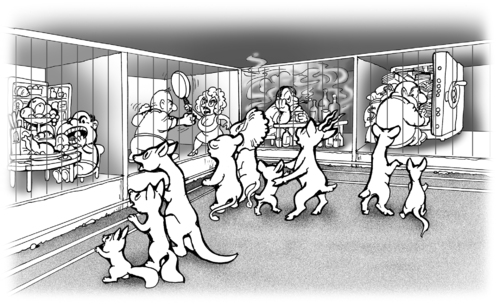
Natuurlijk zullen bestuurders zeggen dat het niet allemaal ineens kan. Het is niet te betalen en voor mensen mentaal niet zo snel te verwerken. Dat is ook zo maar een beetje meer tempo mag best. Het Nederlandse maar ook mondiale politieke landschap lijkt nu meer op een winkel met autowielen, van alle soorten 1 exemplaar. Ze zijn allemaal rond met een velg en een band. Maar bij het aan een auto monteren past het niet goed en het rijdt ook niet echt lekker.
Het is dan ook verbijsterend dat Nederland helemaal geen streefgetal voor haar eigen bevolkingsomvang heeft (6). We roepen wel hard iets over de CO2-reductie in 2050 maar voor de belangrijkste oorzaak, het aantal Nederlandse inwoners, heeft de overheid helemaal geen doelstellingen en rent ieder jaar de statistieken en nieuwe extrapolaties achterna. Dat resulteert onder andere dan ook in een voortdurende fluctuerend woningbouwbeleid. Het ene jaar zijn we uitgebouwd, het jaar daarop moeten er plots weer 1.5 MIO woningen bij. Wij, inclusief onze bestuurders, gaan het werkelijke toekomstbeeld maar liever uit de weg. Het is te zwart, te onzeker en daarom niet populair om er zelfs maar over te praten. De wetenschappers moeten er maar wat van vinden en daar kan iedereen dan weer een mening over hebben.
Uiteindelijk gaat het er niet om of we welke leeftijds- of bevolkingsgroep dan ook moeten voortrekken, beschermen of hinderen. Het gaat er om hoe we als mens(heid) op deze aarde willen staan, welke privileges we ons zelf daarbij toe eigenen en welke consequenties we daarvoor voor lief nemen. Voor onszelf of voor anderen, heel dichtbij in Nederland of in internationaal perspectief, voor nu en voor de toekomst. Dat is het huidige gevecht op TV en bij de stembus. En dat zal het oordeel bepalen in de geschiedschrijving wat nog deze eeuw wordt gepubliceerd. Het oordeel over het gedrag van de gecombineerde generaties X (nix), Y (millennials) en Z (zoomers). Samen maken zij vandaag in het politieke landschap en bedrijfsleven de dienst uit en bepalen of er nog een waardevolle wereld is na 2050.
Helaas laten de media nu een niet al te hoopgevend beeld zien. Onverschillige, weinig met wetenschap op hebbende en egocentrische populisten die hun electoraat aanzetten tot hyper-nationalistisch gedrag. Aan de andere kant de ondernemers en wetenschappers zelf die op hun eigen terrein blijven en de andere dan gebaande grote lijnen van de al ras naderbij komende toekomst niet willen zien of bespreken. In het midden de bekende Nederlanders (BN’ers), expert op hun eigen terrein (kunst, wetenschap, literatuur, business en nog meer) en verder overal een mening over hebben. Meestal wel onderhoudend maar weinig gefundeerd.
De generatie-letters waren op. We zijn opnieuw begonnen met de A, generatie Alpha. Laten we hopen dat deze generatie voor 2050 een nieuw soort Genesis kan initiëren. Misschien moeten we dan maar meteen een paar letters overslaan: Generatie G, Generation Genesis. Ze bestaan waarschijnlijk toch meer dan ruim 100 jaar.
Bronnen:
(1) https://www.cbs.nl/nl-nl/nieuws/2020/51/prognose-bevolking-blijft-komende-50-jaar-groeien
(2) https://www.nibud.nl/consumenten/wat-kost-uw-kind/
(3) https://nl.wikipedia.org/wiki/Telomeer
(4) https://en.wikipedia.org/wiki/The_Singularity_Is_Near
(5) https://www.cbs.nl/nl-nl/achtergrond/2018/51/prognose-bevolking-naar-migratieachtergrond
(6) https://www.ewmagazine.nl/nederland/achtergrond/2020/05/geen-tijd-om-kinderen-te-krijgen-over-corona-en-de-bevolkingsgroei-757038/
(7) https://www.statnews.com/2020/02/21/human-reproductive-cloning-curious-incident-of-the-dog-in-the-night-time/
(8) https://www.volksgezondheidenzorg.info/ranglijst/ranglijst-doodsoorzaken-op-basis-van-sterfte
(9) https://www.cbs.nl/nl-nl/visualisaties/dashboard-bevolking/bevolkingsgroei/geboren-kinderen
(10) https://www.uchiyama.nl/ngjapankortdemogr.htm
RijksDataStaat
148  Als corona ons iets duidelijk heeft gemaakt, is het wel onze afhankelijkheid van IT infrastructuur en applicaties. Het vele thuiswerken was niet mogelijk geweest zonder Zoom en email. Boodschappen doen werd moeilijk of voor sommigen zelfs onmogelijk dus zonder IT hadden we niet kunnen web-shoppen. Onze uitgeholde sociale contacten hadden we niet kunnen compenseren met Facebook, Instagram en TikTok. We hadden niet kunnen genieten van de tijdelijke gratis films van Ziggo of voor een paar euro Netflix en Prime. Onderwijs op afstand was niet mogelijk geweest en de ontwikkeling van onze kinderen had langdurig stil gelegen.
De harde cijfers liegen er niet om. Anno 2020 is al bijna 80% van het internet verkeer gaming en video, dus hoofdzakelijk puur amusement. Daarmee is cybercrime voorlopig ruimschoots ingehaald maar binnen het restant 20% gonzen 300 milljard emails per dag de wereld rond waarvan 55-60% nutteloze spam. En dan is er nog "gewone" cyber-criime en massieve "fake-news and alternative facts" voor manipulatie van kiezers en consumenten. Dat betekent dat slechts 5-10% van de mind-blowing 3 Zettabytes (3.000.000.000.000.000.000.000) die de inmiddels bijna 5 miljard gebruikers jaarlijks op internet met elkaar delen wordt benut voor serieuze dienstverlening en informatie-uitwisseling.
Gelukkig is die 3 Zettabytes maar 10% van wat bedrijven buiten het publieke internet om nog onderling met elkaar delen maar wel grotendeels op dezelfde infrastructuur. Performance, privacy, virussen en security problemen worden als “thuis”-problemen beschouwd maar feitelijk zijn ze een gevolg van een oncontroleerbare en aan 3e partijen overgeleverde infrastructuur.
Daar komt bij dat het elektriciteitsverbruik van ICT in Nederland al in 2016 9,4 TWh was, zo’n 8% van het totaal.. Natuurlijk schermt de IT-industrie met haar “groene’ datacenters” en besparingen op energie door cloud-diensten. maar de Nederlandse CO2-uitstoot met 12 megaton in zowel private als zakelijke omgeving was toen al ongeveer net zo veel als de luchtvaart (13 megaton). Beide sectoren zijn hard gegroeid. De luchtvaart met 5-10% per jaar, ICT zelfs harder met 10-20% per jaar. Bovendien is het maar de vraag of het centralistische cloud-idee een lang leven is beschoren. Terabyte-grote harde schijven en geheugenchips kosten bijna niks meer dus wat is dan nog het nut van die centrale cloud? Het heeft best een paar andere voordelen maar het klinkt een beetje als “Wij-van-WCeend-adviseren-WCeend”. We doen dat centralistische met energie ook al niet meer. Zonnepanelen op eigen dak of in een veldje, warmte wisselaars in de grond en er zijn zelfs veilige en betaalbare ideeën voor een mini-kerncentrale op 30 meter onder ieder huis. Alleen angst houdt ons tegen.
De groei van data verkeer en -opslag overtreft ieder jaar weer de eerdere verwachtingen en niemand kan voorspellen wat de volgende hausse voor effecten zal hebben. Na muziek, video en gaming is de Internet-of-Things al uit de startblokken en dat is nog maar klein in vergelijk met wat er gaat gebeuren als door Augmented en Virtual Reality miljoenen mensen vrijwel continu worden bezig gehouden. Wanneer AI’s direct met elkaar gaan communiceren is het hek helemaal van de dam.
Intussen worden in Nederland alle ICT-gerelateerde problemen over meerdere ministeries uitgesmeerd en blijft het idee van vrije marktwerking en zelf-regulering overeind. We besteden de A12 vanaf de Duitse grens tot aan bijna de Hofvijver toch ook niet uit aan een externe partij die bekijkt of het winstgevender is om de Nederlandse autowegen te renoveren of de Duitse?
Het belang en afhankelijkheid van ICT ontkent niemand meer maar het beheer en de controle wordt vreemd genoeg wel overgelaten aan particulieren, bedrijfsleven en lagere overheden. Alleen op EU-niveau is er dank zij het grote aantal EU-landen en dus commissarissen een aparte portefeuille. De achtereenvolgende miljoenennota's op Prinsjesdag draaien er ieder jaar echter met hele grote bogen omheen. De notie is er wel maar de urgentie wordt blijkbaar niet gevoeld. Wellicht is een nieuwe diepe crisis door een op alle overheidssystemen volledig doorgebroken internet-crimineel of een op hol geslagen AI noodzakelijk.
Op 17 maart 2021 gaan we weer naar de stembus en kort daarna wordt een nieuw kabinet geformeerd. Het wordt tijd voor een zelfstandig Nederlands ministerie van ICT. Speerpunten zijn internethandel, ICT-energieverbruik, veiligheid en cybercriminaliteit, privacybescherming, digitale transformatie en virtualisatie van de maatschappij, digitale innovatie en kunstmatige intelligentie. Een forse portefeuille voor een zwaargewicht. Wellicht zijn de experts van dit nieuwe ministerie ook in staat om de interne IT-problemen van de overheid te helpen oplossen.
De term ICT is voor de burger inmiddels zowel beladen als niets zeggend geworden. Ik stel dan ook voor om het in lijn te brengen met de “andere” infrastructurele tak van de overheid, het ministerie van RWS. Laten we het RijksDataStaat noemen. Dat klinkt belangrijk en permanent en dat is allebei hard nodig.
Web-surf verstandig.
Voting with your wallet
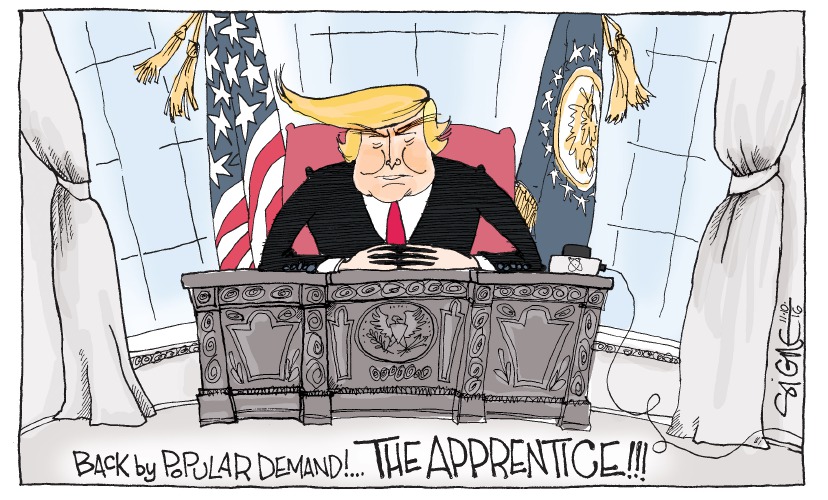
195  Trump's America and a Brexit UK do not really feel like friends anymore. Of course any country can do what it wants, it's just that their allies can choose to spend their time, energy and (trade)money elsewhere when a relation is seriously jeopardized.
Millions and millions of people are hurt physically, emotionally, economically due to the voting and decisionmaking of two very influencial countries like the US and the UK. Personally, putting all emotions aside, it costs me dearly in stability and growth of my savings due to the turbulance of the stockmarkets as a result of the "moves" of Donald Trump, Nigel Farage and Boris Johnson.
No citizen of any country can vote in a referendum or election of another country. As long we don't have one big federation of states that's probably a good thing. If it would have been possible, it definitely would have felt at least a little bit better knowing that I had a say with a vote.
So some friends asked me how I'm really going to execute in an earlier article mentioned "voting with my wallet". Actually it's a funny question because everybody is doing it all the time. On personal level almost everybody has their preferences. Some men buy only Italian shoes, some women only French fashion. Usually it's driven by any specific emotion, often difficult to trace back where it came from.
On country level it's more clear: if the Russians invade the Krim, we stop buying Russian gas or prohibit selling goods to Russia. If Iran does not stop their nuclear industry, we just isolate them with any kind of trade, in and out. In fact these decisions are often on emotional level too. We hide ourselves behind international laws and rationalize the decisions but basically it's all about self-protection, whether it's about ideals, economy or border battles.
I can understand that American Democrats call out to unite now simply because: they are American! They can not go anywhere (beside a few who are really upset and plan to go to Canada or New Zealand) so they just have to live with it until the next election. It's the consequence of (wrong) voting in a booth.
But at the other side of the fence we can be upset too.
YAM's
231 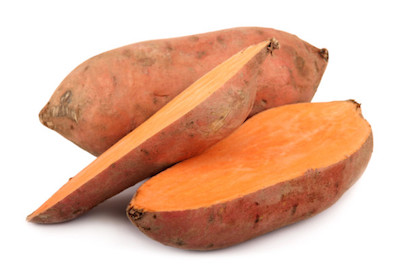 As you probably know already, I consider "new" methods like SCRUM a YAM, a Yet-Another-Method. And there are a lot of YAM's. Like potatoes they are root-vegs and you can find them everywhere in any vegetable shop. Very versatile and you can bbq, bake, smoke, boil, fry, grill or even eat them raw with the right recipes. Some have other bumps and dents but at the end of the day, they all taste more or less alike.
Well, coming back to earth, you know that a YAM, the Yet-Another-Method and not the vegetable, in the Application Development context is a box stuffed with techniques and tools of which probably most of the time more than 80% are "borrowed" from earlier emerged YAM's. Perhaps with another footprint or selection, other tools, given other names and acronyms, put in another context or changed just slightly enough to make them (false) distinct. There is a complete industry around YAM's and tools (YAT's ???) and many vendors make a living of it. I have nothing against that, it drives professional innovation but it make the life of the humble IT-professional a bit awkward.
SCRUM in my view is just another representation of other agile YAM's like IAD, DSDM, Lean Development, XP, RAD, Essential UP, SMART, DevOps and I am sure I missed a few dozen others. Sometimes it's even a bit embarrassing to see people so excited about "new" methods like SCRUM or DevOps. I can only hope that the "SCRUM-Masters" have enough knowledge and experience to learn from the past and look over the SCRUM-fence, But to give all the original YAM-inventors some credit, every YAM is usually based on some very good and new ideas to improve our profession indeed. Sometimes a YAM is just connected to a tool of the same vendor to create a complete (lock-in) package. But obviously, in an attempt to deliver a full size and complete new method, the "borrowing" from others is unavoidable.
Yes, agile projects have sprints, iterations, time-boxes or what ever you call them. A short period of time with a working and implemented piece of software at the end with real business value. And yes, that forces to use other workflows, techniques and sometimes tools than we are used to in a waterfall environment. But no, actually there shouldn't be anything against using good "agile techniques" like workshops, standup meetings, backlogs and the like in any kind of project. And to be honest, they have been used in all sorts of linear projects for decades. Conversely, still looking at any agile method like SCRUM as a YAM, lots of the (intermediate) deliverables in agile are quite similar to those in linear ones. Maybe a different presentation but it's not another planet. We're still building and implementing IT applications.
So then, what are the real differentiators between agile and a linear projects?
Page 1 of 6