 About ten years ago, frustrated with my existing home automation system, I decided to write some software myself. I wanted to keep the devices I already had, add the latest gadgets I fancied, and create reasonably complex scripts that would allow everything to work together.
Yes, there were some promising new technologies emerging, but each seemed to demand that I throw away what I already had, lock myself into yet another proprietary ecosystem, and still not offer much more than “when sensor 1 detects motion, switch on light 2.”
Having written compilers and interpreters in the distant past, I decided to create my own home automation scripting language. And so Homylon was born.
For years, it simply ran on my Macs, quietly doing exactly what I wanted. Of course, the thought of sharing it with the world crossed my mind more than once. But, to be fair, the whole thing had become far too complex and too large for one person to turn into something others could actually use.
But this year, two things happened.
First, my Patricia was diagnosed with cancer. We’ve been going through a long and demanding medical journey together, lasting about a year. We’re halfway through now, and I needed something to distract myself from time to time.
Second, I had already been experimenting with AI (have a look at my AI-written magazine, HuddleWorld.com), and the latest models have become really, really good.
Suddenly, thousands upon thousands of lines of code became manageable, maintainable, and expandable. What had seemed like an impossible one-man project was suddenly within reach.
And so, here we are!
Is it finished? Nooooo.
Does it work? Yesssss! :)
Homylon.org
Enjoy!

 Talking about AI, almost 20 years ago I wrote this:
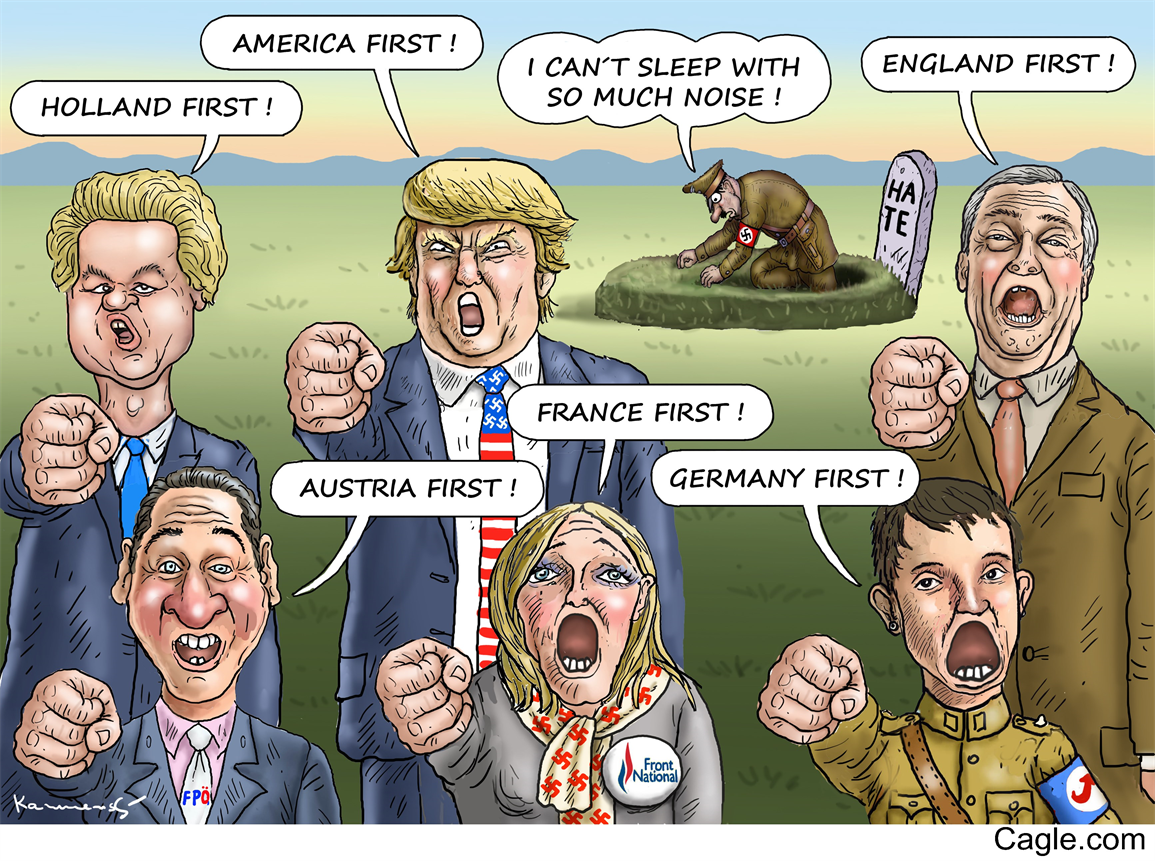 The political landscape that emerged in 2016-2017 now seems like a preview of what was to come. When Trump first entered the spotlight, his peculiarities – from his "tiny hands" to his Twitter tirades – were treated as comedy fodder. Today, after his presidency, a second defeat, and now his controversial return to power, these seem less amusing and more symptomatic of the broader political deterioration we've witnessed.
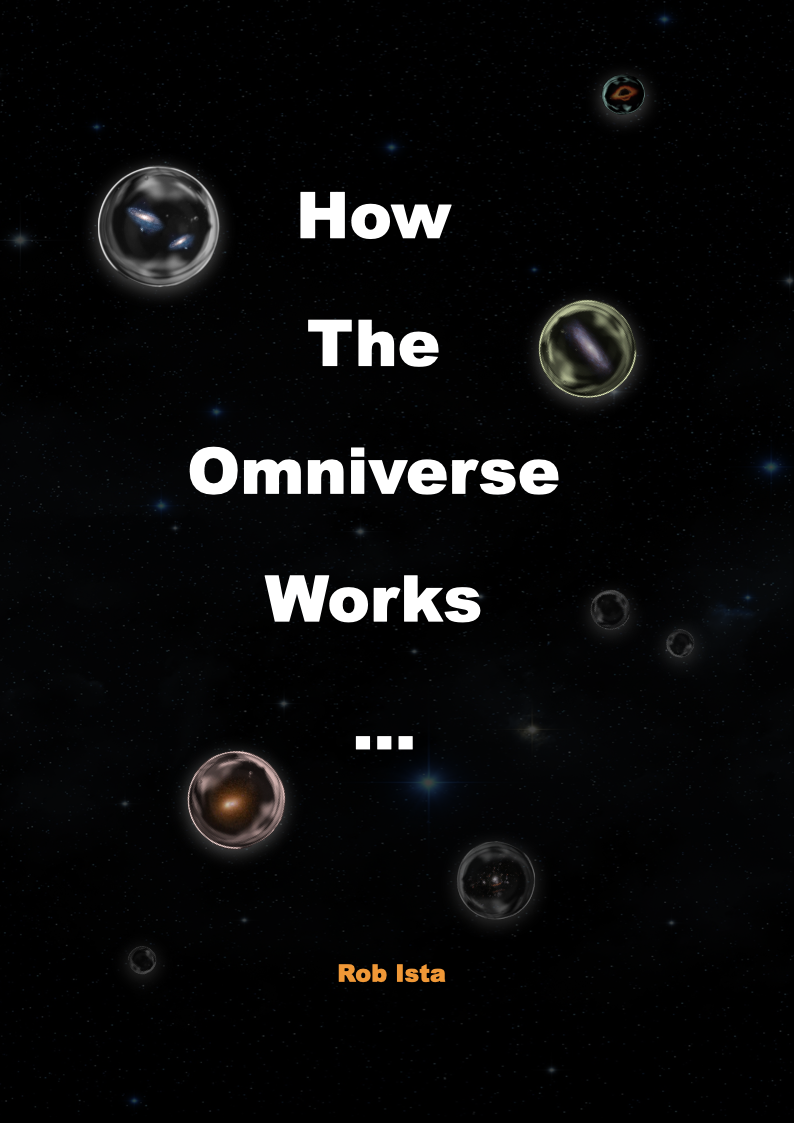 I have always been deeply fascinated by the phenomena of our universe. Solar and star systems, the Big Bang, black holes, dark energy and matter and especially the theories surrounding quantum fields and relativity intrigued me endlessly.
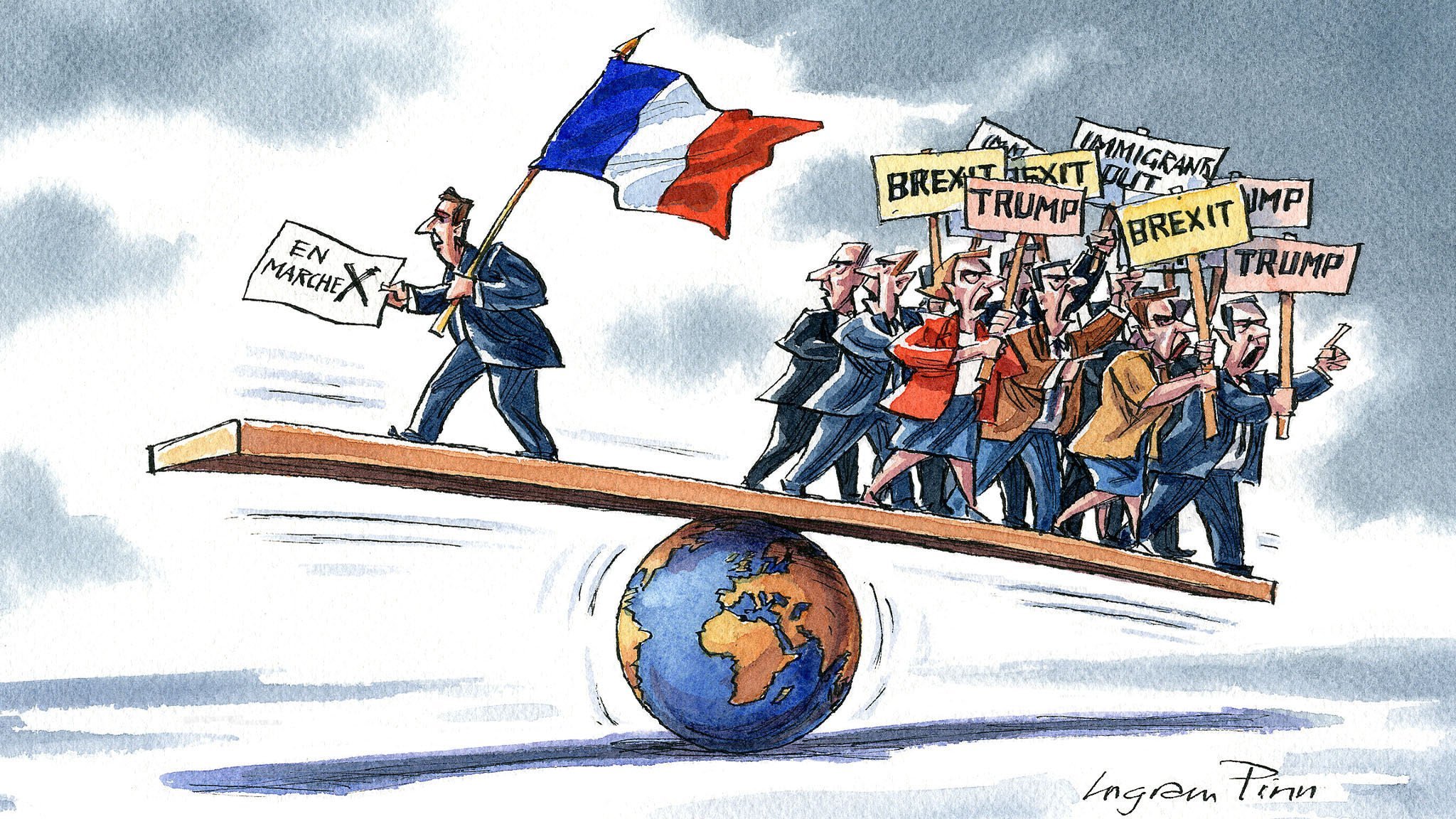 With Brexit and Trump as the US president, countries like the UK and US have obviously chosen to go their own way. They don't want the consequences of globalization: free movement of goods, capital, services and people and most importantly like in case of the US, commit to global agreements like the Paris Accord. Instead, they want to make their "countries great again" whatever the consequences are for the rest of the world. Well, they believe that their greatness is automatically beneficial for the rest of the world.
 Trump's America and a Brexit UK do not really feel like friends anymore. It's more like the former Eu president Tusk once said: "Who needs enimies when you have friends like this?"